九
11 月 23 日 · 32 分钟
You got a lot of nerve to say you are my friend
When I was down, you just stood there pretty
You got a lot of nerve to say you got a helping hand to lend
You just want to be on the side that's winning
You say I let you down, you know it's not like that
If you're so hurt, why then don't you show it?
You say you lost your faith, but that's not where it's at
You have no faith to lose, and you know it
I know the reason that you talk behind my back
I used to be among the crowd you're in with
Do you take me for such a fool to think I'd make contact
With one who tries to hide what it don't know to begin with?
You see me on the street, you always act surprised
You say, "How are you? Good luck," but you don't mean it
When you know, as well as me, you'd rather see me paralyzed
Why don't you just come out once and scream it?
No, I do not feel that good when I see the heartbreaks you embrace
If I was a master thief, perhaps I'd rob them
And though, I know you're dissatisfied
With your position and your place
Don't you understand it's not my problem?
I wish that for just one time you could stand inside my shoes
And just for that one moment, I could be you
Yes, I wish that for just one time, you could stand inside my shoes
You know what a drag it is to see you
AI 从整集转写里归纳的,不是节目方的宣传语
迪伦1965年新港音乐节带全电声乐队登台遭嘘、返场弹木吉他的完整经过,以及《Bringing It All Back Home》的曲目编曲细节。
主播用佛教贪嗔痴与轮回框架解读「假朋友」,并引用滚石《Sympathy for the Devil》劝人怜悯而非仇恨。
歌词里那句「如果我是个超级盗贼,或许我会把那一些心碎全部夺走」,把被朋友背叛的愤怒写得既狠又无奈。
AI 读完整集转写后给出的推荐理由
1965年7月25日,鲍勃·迪伦抱着电吉他登上新港民谣音乐节,台下嘘声四起,昔日称兄道弟的人转头在媒体上骂他「犹大」。这期节目从《Positively 4th Street》的歌词讲起,逐句拆解那种「嘴上叫你兄弟、背后捅你一刀」的人,再回到迪伦被好友炮轰的那个夏天,讲清这首歌到底为谁而写。主播还从佛教的贪嗔痴角度解释这类人为何可怜,给出一种比仇恨更难的处理方式。
由 AI 从整集转写生成,是创作者说明之外的补充
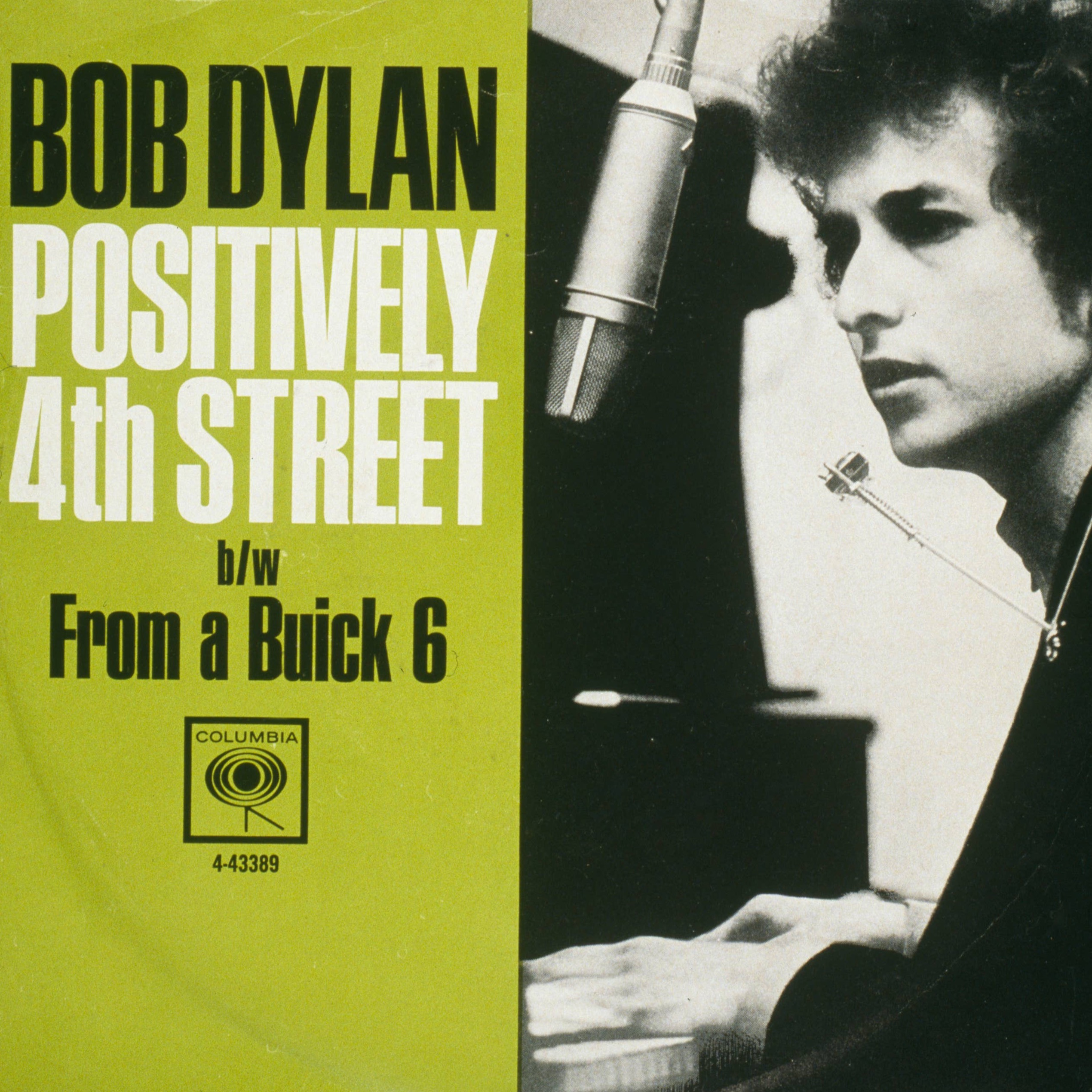
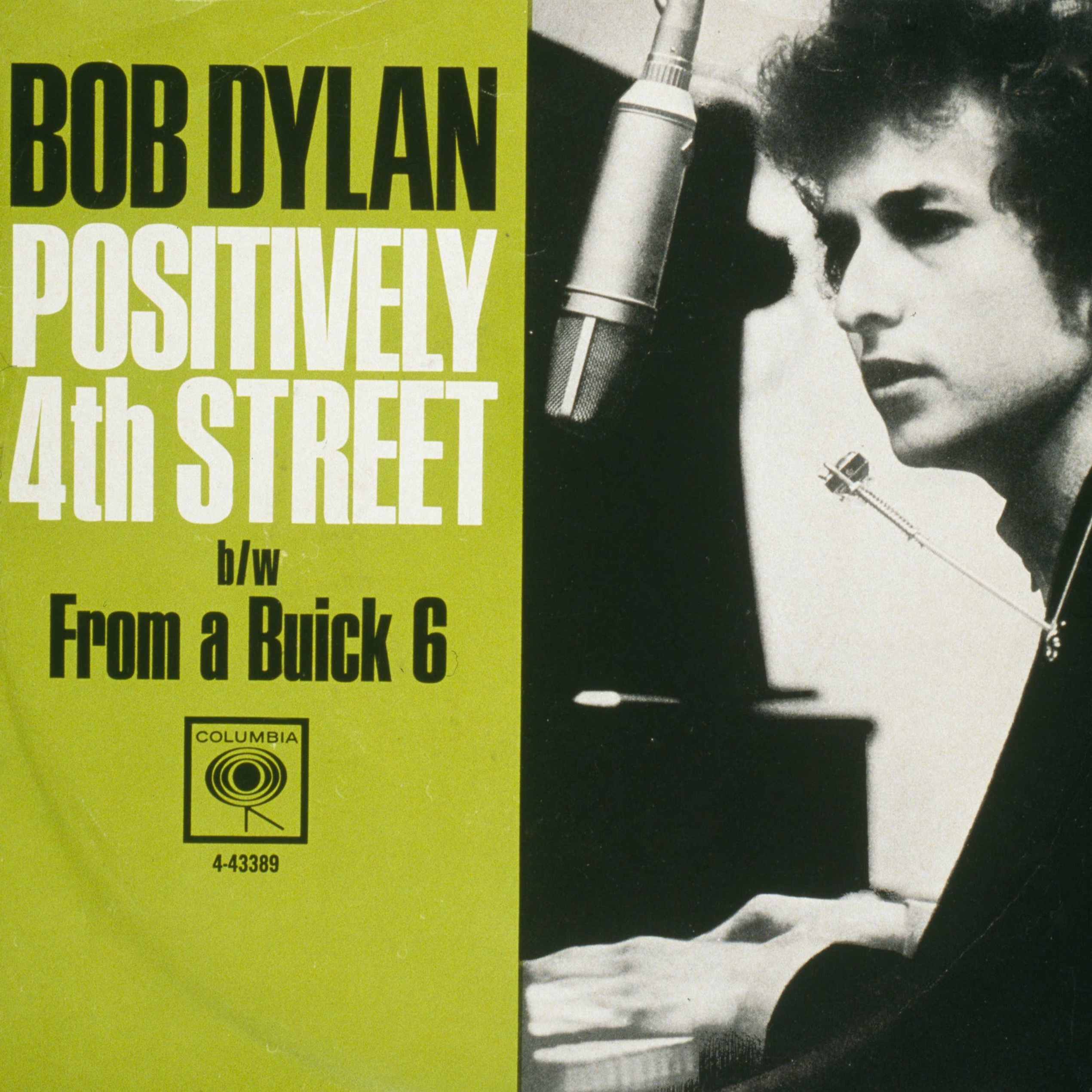
本期节目围绕鲍勃·迪伦1965年的单曲《Positively 4th Street》展开。主播先完整呈现歌词,逐句剖析「假朋友」的人格特质:自恋、自私、利用他人、恩将仇报。随后回到1965年的历史现场——迪伦发行《Bringing It All Back Home》转向电声,在新港民谣音乐节上带着电吉他登台遭到嘘声,昔日好友纷纷在媒体上炮轰他、骂他「犹大」、封杀他。正是这些经历促使迪伦以格林威治村第四街为名写下这首歌。节目最后以佛教视角劝诫听众:不要恨这种人,而要怜悯他们,因为仇恨只会把自己拉到同样的层次。
点一章从那里开始播 · 与上面创作者标的时间点各自独立
开场:第四街上的陌生人
主播以「漫步纽约曼哈顿第四街,有人走上来对你说他是你的朋友」的场景开场,引出本期要讲的歌曲。
歌曲原声片段
播放《Positively 4th Street》的英文原曲片段,为后续歌词解读做铺垫。
歌词逐句:假朋友的嘴脸
主播用中文逐句念出歌词:斗胆不要脸、光说不练、背后搬弄是非、言不由衷,最后落到「你让我感觉多么恶心」。
一首不像流行歌的流行歌
介绍歌曲1965年6月29日录制、9月7日发行,指出其歌词直接痛批丑恶人格却取得商业成功,证明通俗歌词不必限于风花雪月。
假朋友的行为模式
剖析这种人如何滥用「兄弟」一词、营造最好朋友的假象、实际只为自己,一旦被看穿就露出可怕面目甚至背后捅刀。
自恋者的心理结构
指出这类人极度自恋自私,认为别人为他做的是应该的,自己微不足道的付出却当成莫大恩赐。
用慈悲代替仇恨
以佛教贪嗔痴解释这类人的可怜处境,引用《Sympathy for the Devil》,劝听众不要恨他们,而应心怀慈悲为其祈祷。
回到1965年:迪伦电起来了
主播追问迪伦为何写这首歌,回顾1965年美国民谣乐坛因迪伦转向电声而引发的震动。
《Bringing It All Back Home》的编曲
细数专辑十一首歌的乐器配置:A面七首全电声,B面两首用电吉他,仅两首是纯木吉他与口琴,引发乐评人猛烈攻击。
新港音乐节的嘘声
对比迪伦1963、1964年在新港民谣音乐节受到的赞赏与1965年7月25日带全电声乐队登台遭到的嘘声,以及返场弹木吉他的经过。
昔日好友的炮轰与歌曲诞生
许多号称迪伦好朋友的人在媒体上骂他出卖灵魂、是犹大,演出单位封杀他,迪伦因此以第四街为名写下这首歌。
尾声:歌曲片段与祝语
播放歌曲英文片段,主播以「一样米养百样人,慈悲为怀,愿所有人不再遭受轮回之苦」收束全期。
11 月 23 日 · 32 分钟

11 月 21 日 · 26 分钟
11 月 19 日 · 22 分钟
11 月 18 日 · 1 小时 02 分
九霄电波 · 11 月 14 日 · 20 分钟
You got a lot of nerve to say you are my friend
When I was down, you just stood there pretty
You got a lot of nerve to say you got a helping hand to lend
You just want to be on the side that's winning
You say I let you down, you know it's not like that
If you're so hurt, why then don't you show it?
You say you lost your faith, but that's not where it's at
You have no faith to lose, and you know it
I know the reason that you talk behind my back
I used to be among the crowd you're in with
Do you take me for such a fool to think I'd make contact
With one who tries to hide what it don't know to begin with?
You see me on the street, you always act surprised
You say, "How are you? Good luck," but you don't mean it
When you know, as well as me, you'd rather see me paralyzed
Why don't you just come out once and scream it?
No, I do not feel that good when I see the heartbreaks you embrace
If I was a master thief, perhaps I'd rob them
And though, I know you're dissatisfied
With your position and your place
Don't you understand it's not my problem?
I wish that for just one time you could stand inside my shoes
And just for that one moment, I could be you
Yes, I wish that for just one time, you could stand inside my shoes
You know what a drag it is to see you
AI 从整集转写里归纳的,不是节目方的宣传语
迪伦1965年新港音乐节带全电声乐队登台遭嘘、返场弹木吉他的完整经过,以及《Bringing It All Back Home》的曲目编曲细节。
主播用佛教贪嗔痴与轮回框架解读「假朋友」,并引用滚石《Sympathy for the Devil》劝人怜悯而非仇恨。
歌词里那句「如果我是个超级盗贼,或许我会把那一些心碎全部夺走」,把被朋友背叛的愤怒写得既狠又无奈。
AI 读完整集转写后给出的推荐理由
1965年7月25日,鲍勃·迪伦抱着电吉他登上新港民谣音乐节,台下嘘声四起,昔日称兄道弟的人转头在媒体上骂他「犹大」。这期节目从《Positively 4th Street》的歌词讲起,逐句拆解那种「嘴上叫你兄弟、背后捅你一刀」的人,再回到迪伦被好友炮轰的那个夏天,讲清这首歌到底为谁而写。主播还从佛教的贪嗔痴角度解释这类人为何可怜,给出一种比仇恨更难的处理方式。
由 AI 从整集转写生成,是创作者说明之外的补充
本期节目围绕鲍勃·迪伦1965年的单曲《Positively 4th Street》展开。主播先完整呈现歌词,逐句剖析「假朋友」的人格特质:自恋、自私、利用他人、恩将仇报。随后回到1965年的历史现场——迪伦发行《Bringing It All Back Home》转向电声,在新港民谣音乐节上带着电吉他登台遭到嘘声,昔日好友纷纷在媒体上炮轰他、骂他「犹大」、封杀他。正是这些经历促使迪伦以格林威治村第四街为名写下这首歌。节目最后以佛教视角劝诫听众:不要恨这种人,而要怜悯他们,因为仇恨只会把自己拉到同样的层次。
点一章从那里开始播 · 与创作者标的时间点各自独立
开场:第四街上的陌生人
歌曲原声片段
歌词逐句:假朋友的嘴脸
一首不像流行歌的流行歌
假朋友的行为模式
自恋者的心理结构
用慈悲代替仇恨
回到1965年:迪伦电起来了
《Bringing It All Back Home》的编曲
新港音乐节的嘘声
昔日好友的炮轰与歌曲诞生
尾声:歌曲片段与祝语
节目里自然聊到的,不是广告
AI 对内容的推测
☕🧄 这个比喻出自 2009 年周立波的一句「喝咖啡的怎么能和吃大蒜的呆在一起呢」;郭德纲后来在《你要高雅》里回了一句「雅和俗分不开,喝着咖啡就着大蒜,秋水共长天一色」。我们借它标注风格取向 —— 两端没有高下,编辑部式与熟人局式都能做出极好的节目。
http://www.ximalaya.com/album/4346420.xml复制概要、章节、提及与推广标注由 AI 生成,可能有误;内容版权归创作者,声湃按创作者开放的 RSS 收录。了解收录与 RSS →