C
S21E1 - The Hidden Power of Industrial Capacity
8 月 25 日 · 46 分钟

You are listening to Curiosity Curated. I am Zong.
What you just heard is UN meteorological agency announcing at the COP29 Summit in Azerbaijan that 2024 is officially the hottest year on record.
Climate change. It's a phrase we encounter almost daily, and its effects are becoming increasingly tangible in our lives. The whole Northern Hemisphere as well as China experienced the hottest summer on record in 2024. Shanghai, my home, was battered by Typhoon Bebinca—reportedly the city's most powerful storm in 75 years. In 2023, Beijing was drenched by its heaviest rainfall in 140 years and Hong Kong suffered the worst flash flooding in 140 years in the same year. In the 21st century, climate change has emerged as one of the most significant threats to humanity, a threat that we must confront with both knowledge and action.
Today, we'll explore the science of climate change guided by particle physicist and cosmologist Lawrence Krauss through his book "The Physics of Climate Change". Krauss sets out to empower readers with a clear, accessible explanation of the fundamental physics behind climate change. He believes that scientific literacy is essential for the public to understand and address issues with far-reaching consequences like climate change.
Driven by the belief that understanding should precede action, Krauss wrote this book to counter the prevailing trend of emotionally charged narratives that dominate the climate change discourse. He was concerned that many publishers he approached favored books that relied on fear-mongering and emotional appeals rather than presenting the science in an accessible way.
Krauss emphasizes that the science of climate change is not rocket science and can be understood by anyone. He believes that science should be the basis of arguments and policy discussions, not emotions or fear-mongering. In line with this approach, he avoids advocating for specific policies, leaving that to politicians and advocacy groups. However, he is clear about the seriousness of the challenges we face due to climate change so that the risks and potential consequences of inaction are clear.
Krauss's journey into the world of climate science was further fueled by a trip to the Mekong Delta, a region exquisitely vulnerable to climate change impacts. This experience underscored the urgency of the situation, highlighting how climate change is not just a distant threat but a present reality for millions around the world.
Episode Intro
Mekong Delta - A Poignant Case Study
The Keeling Curve and the Rise of CO2
Earth’s Natural Carbon Cycle
The Greenhouse Effect
Increased CO2 Absorption & Radiative Forcing
(Sources: The Physics of Climate Change by Lawrence M. Krauss. For any feedback, please contact: [email protected])
Opening Music: Crying by Julian Lage
Closing Music: Who Am I by Dario Lupo
Figure 1 - Keeling Curve
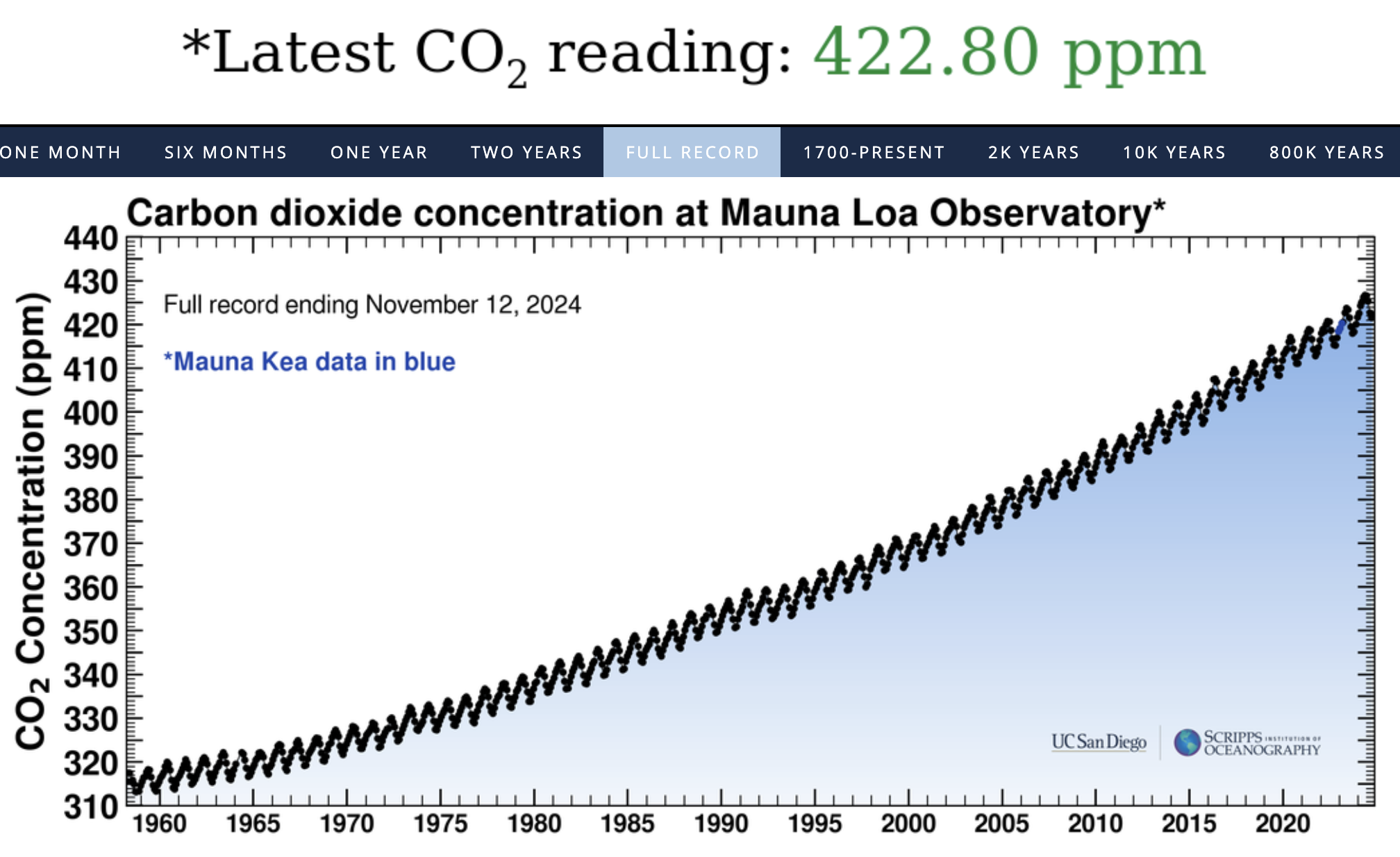
Figure 2 - Keeling Curve with Ice Core Data
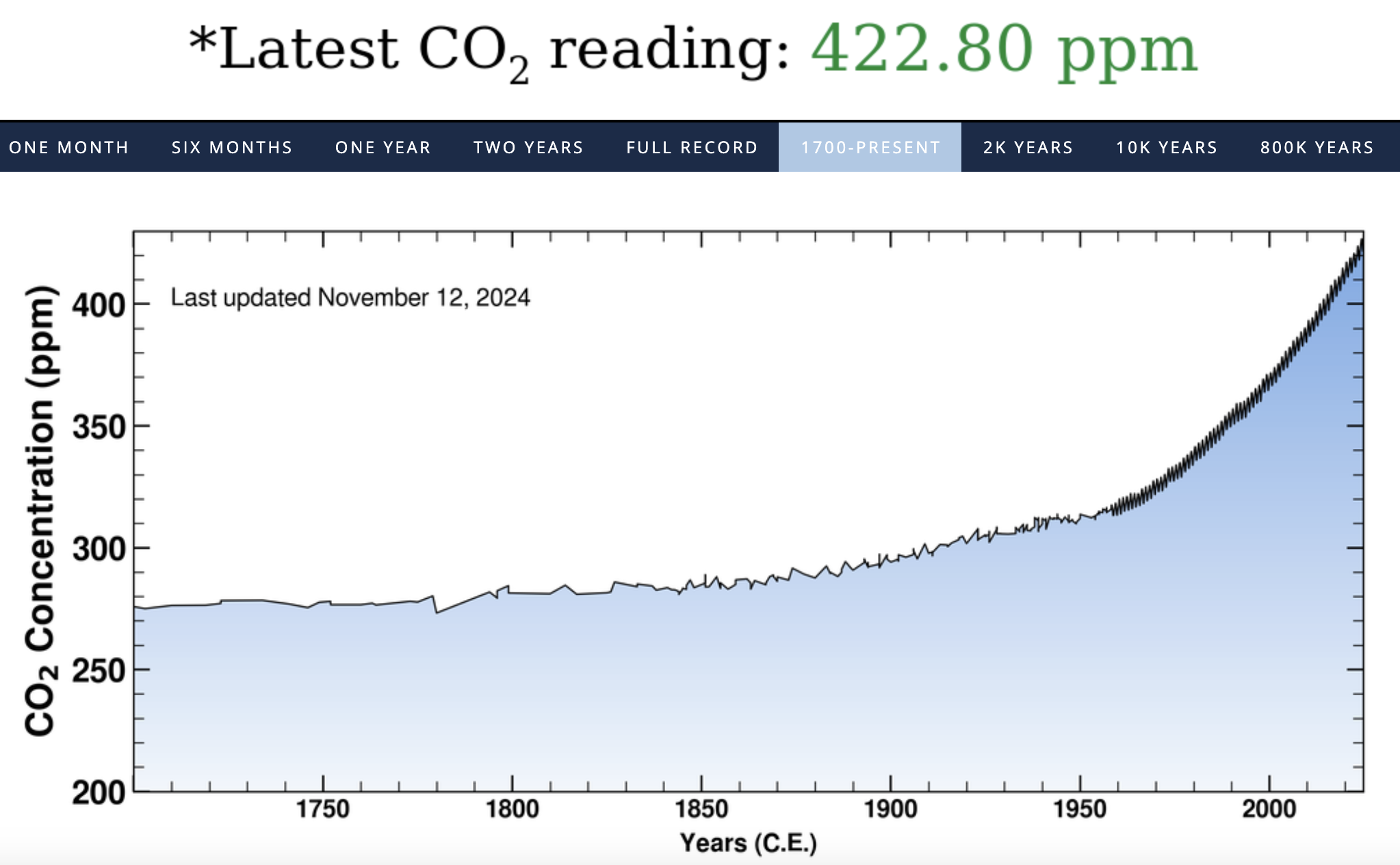
Figure 3 - Keeling Curve 10K Years
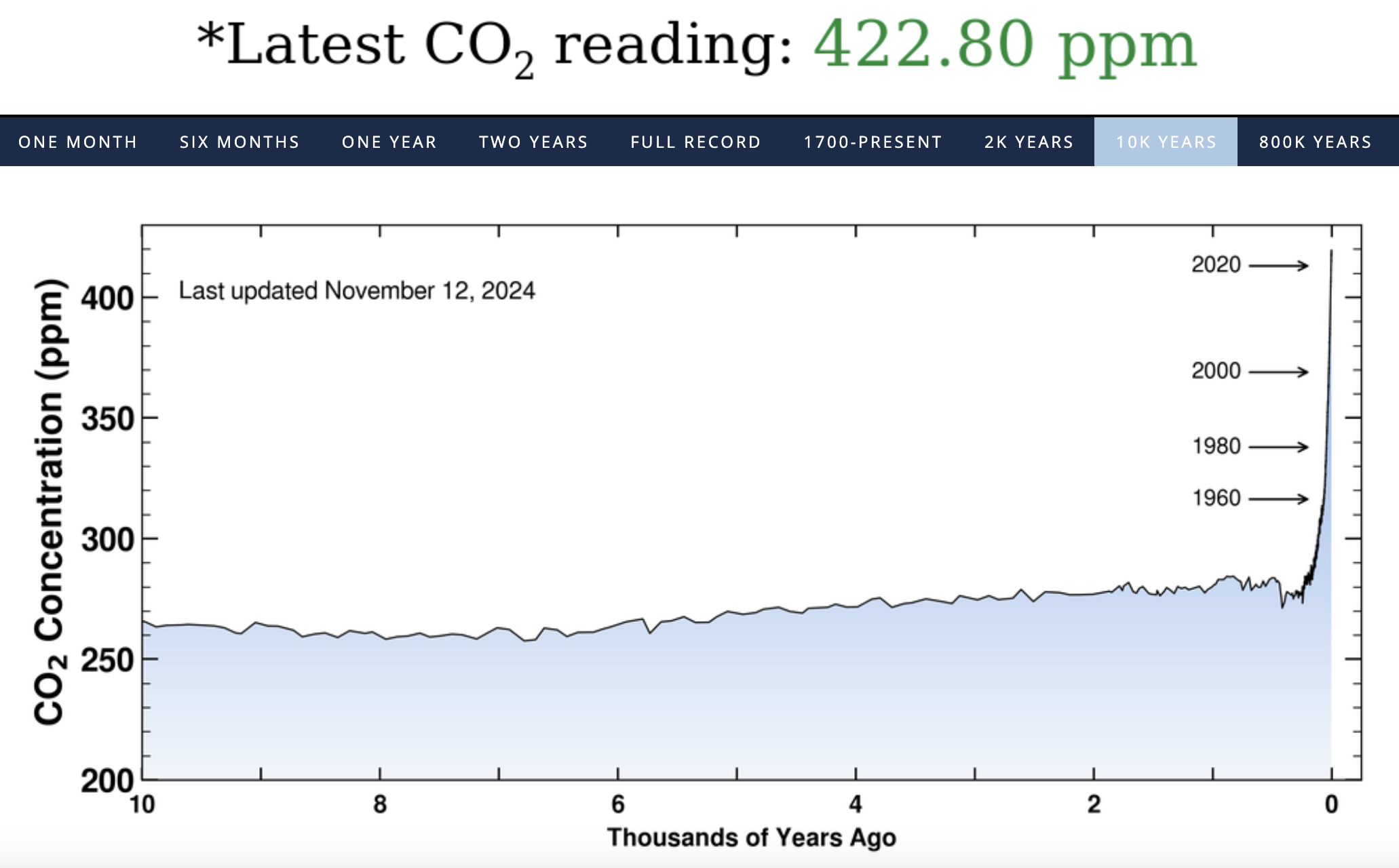
Figure 4 - Keeling Curve 800K Years
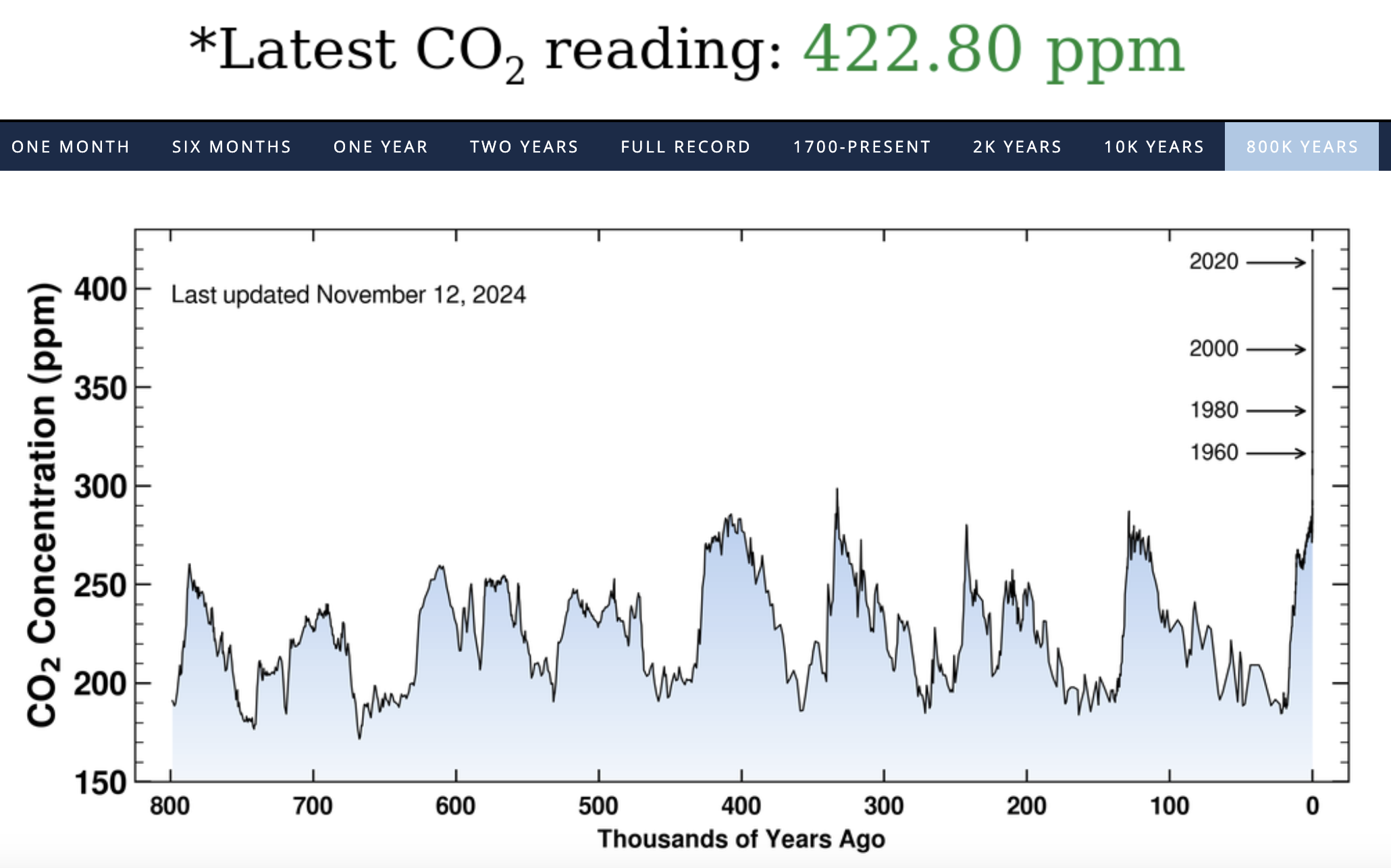
Figure 5a - Global Fossil CO2 Emissions (Global Carbon Project 2020)
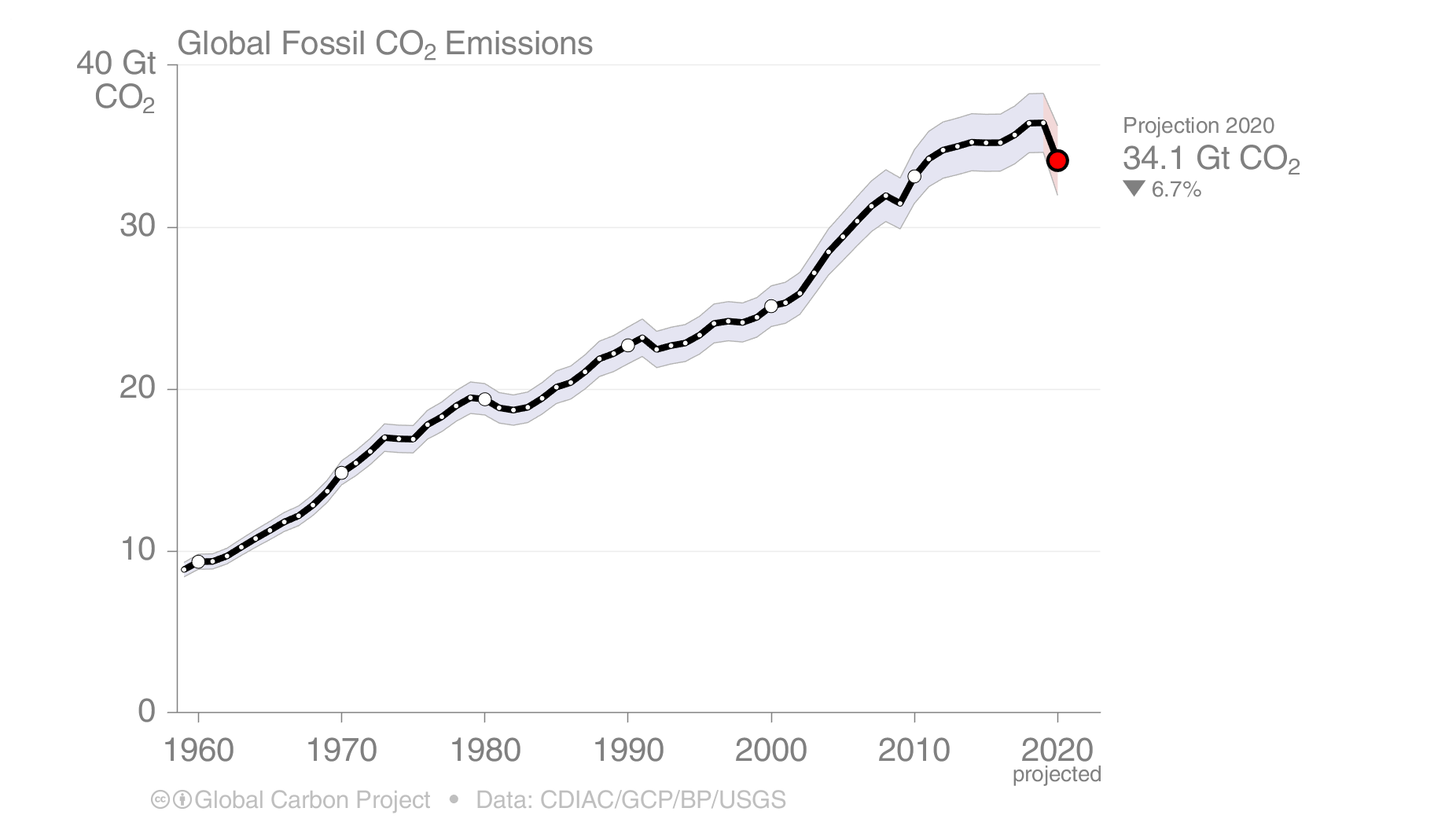
Figure 5b - Global Fossil CO2 Emissions (Global Carbon Project 2021)
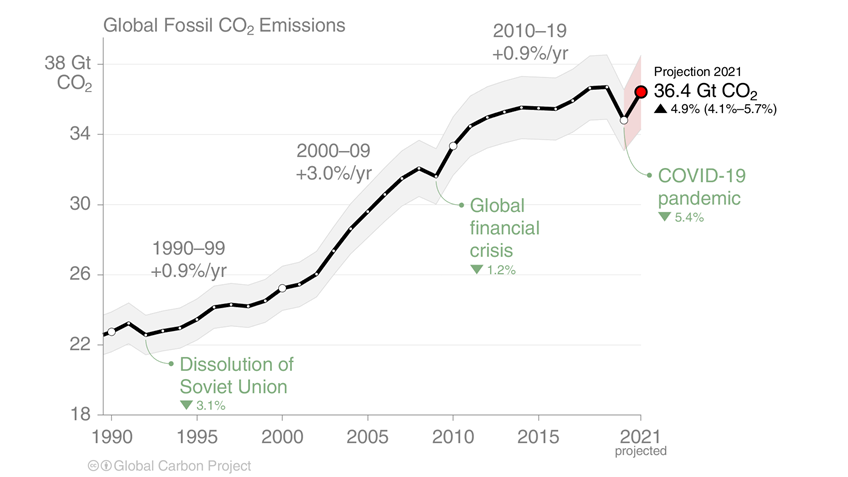
Figure 6a - Earth’s Natural Carbon Cycle
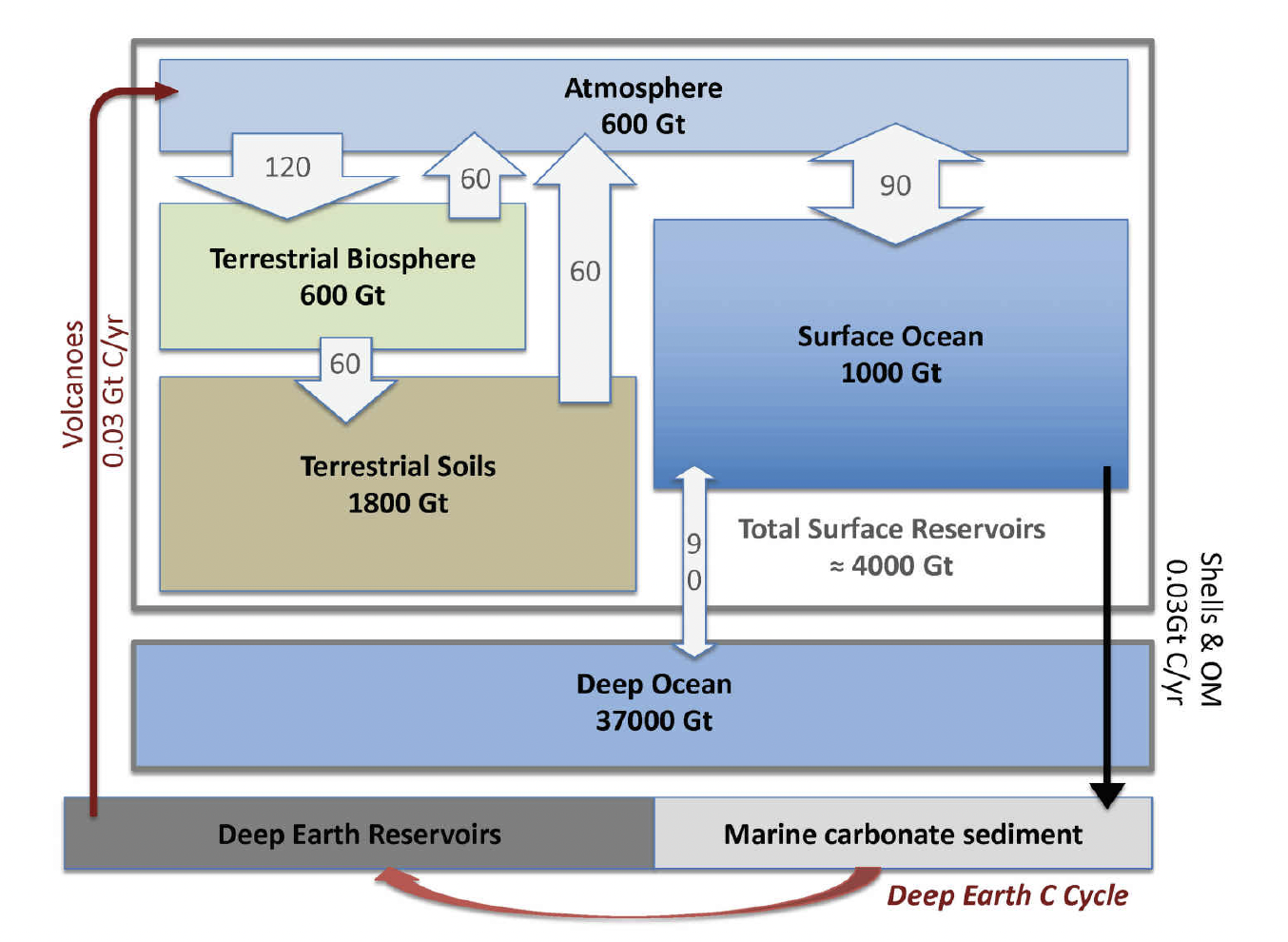
Figure 6b - Carbon Added by Human Industrial Activities
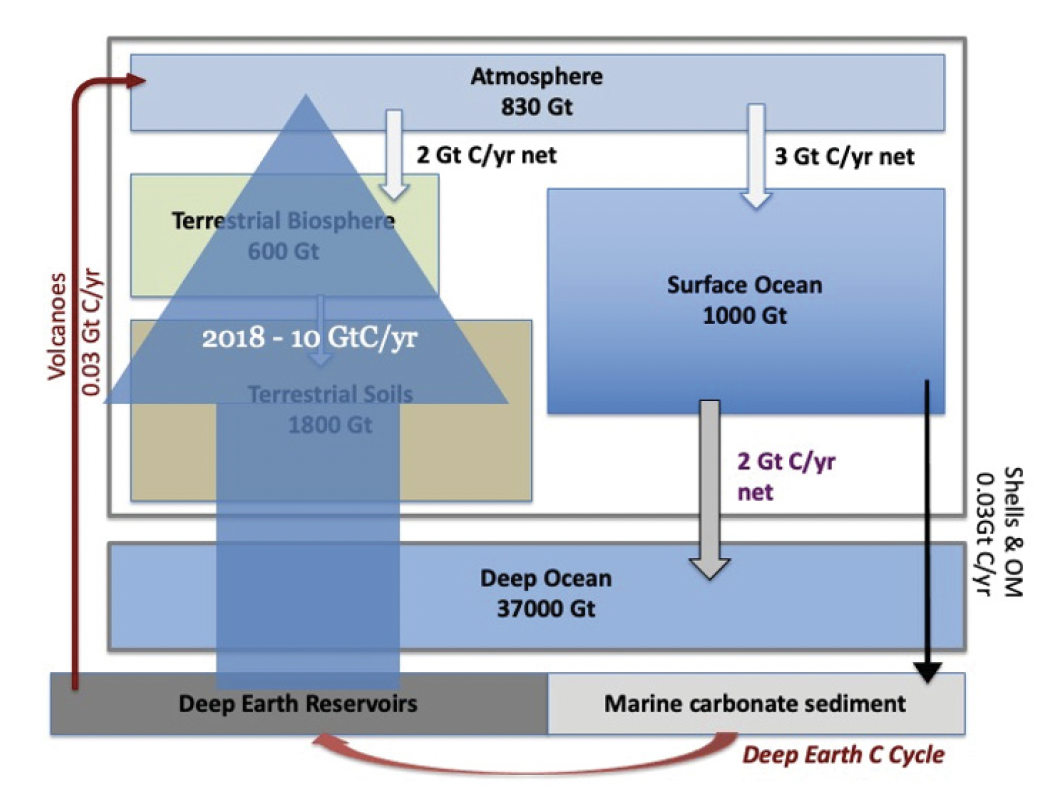
Figure 7 - Solar and Earth Radiation Spectrum
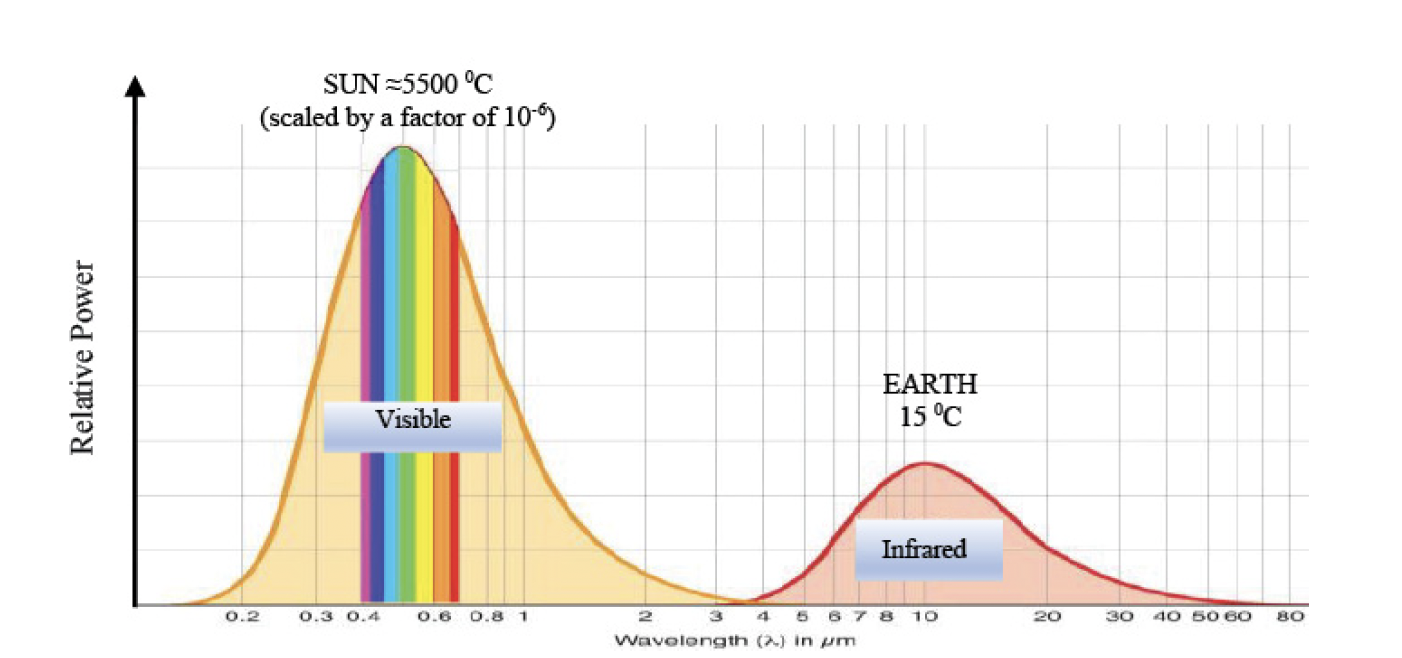
Figure 8 - Earth-Atmosphere Energy Balance
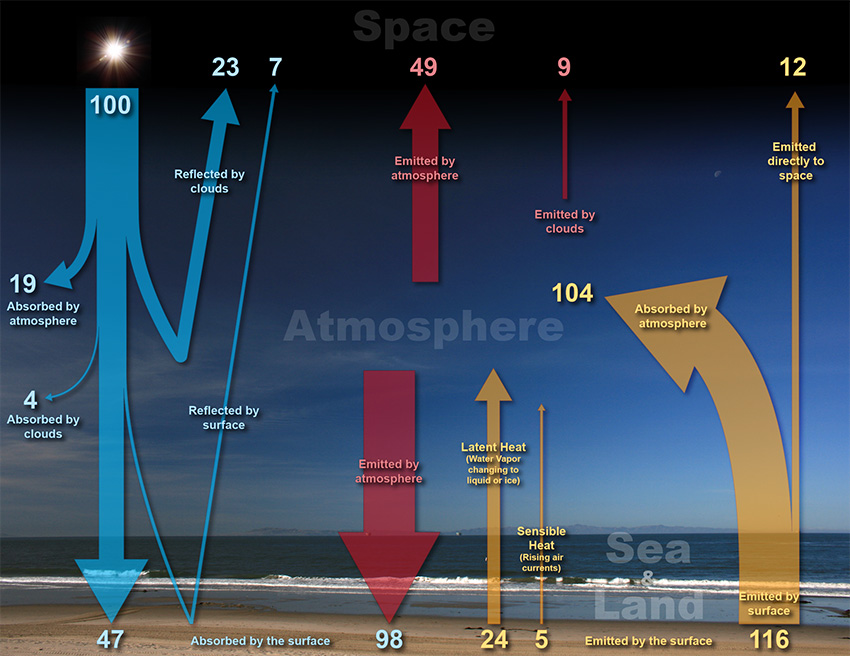
Figure 9 - Absorption spectrum of H2O and CO2

说明里标出的时间点,点一下跳过去
S21E1 - The Hidden Power of Industrial Capacity
8 月 25 日 · 46 分钟
8 月 25 日 · 47 分钟

S20E1 - AI Economics: Three Futures of Work
7 月 21 日 · 47 分钟
7 月 21 日 · 43 分钟

Curiosity Curated · 2024 年 11 月 27 日 · 33 分钟
You are listening to Curiosity Curated. I am Zong.
What you just heard is UN meteorological agency announcing at the COP29 Summit in Azerbaijan that 2024 is officially the hottest year on record.
Climate change. It's a phrase we encounter almost daily, and its effects are becoming increasingly tangible in our lives. The whole Northern Hemisphere as well as China experienced the hottest summer on record in 2024. Shanghai, my home, was battered by Typhoon Bebinca—reportedly the city's most powerful storm in 75 years. In 2023, Beijing was drenched by its heaviest rainfall in 140 years and Hong Kong suffered the worst flash flooding in 140 years in the same year. In the 21st century, climate change has emerged as one of the most significant threats to humanity, a threat that we must confront with both knowledge and action.
Today, we'll explore the science of climate change guided by particle physicist and cosmologist Lawrence Krauss through his book "The Physics of Climate Change". Krauss sets out to empower readers with a clear, accessible explanation of the fundamental physics behind climate change. He believes that scientific literacy is essential for the public to understand and address issues with far-reaching consequences like climate change.
Driven by the belief that understanding should precede action, Krauss wrote this book to counter the prevailing trend of emotionally charged narratives that dominate the climate change discourse. He was concerned that many publishers he approached favored books that relied on fear-mongering and emotional appeals rather than presenting the science in an accessible way.
Krauss emphasizes that the science of climate change is not rocket science and can be understood by anyone. He believes that science should be the basis of arguments and policy discussions, not emotions or fear-mongering. In line with this approach, he avoids advocating for specific policies, leaving that to politicians and advocacy groups. However, he is clear about the seriousness of the challenges we face due to climate change so that the risks and potential consequences of inaction are clear.
Krauss's journey into the world of climate science was further fueled by a trip to the Mekong Delta, a region exquisitely vulnerable to climate change impacts. This experience underscored the urgency of the situation, highlighting how climate change is not just a distant threat but a present reality for millions around the world.
Episode Intro
Mekong Delta - A Poignant Case Study
The Keeling Curve and the Rise of CO2
Earth’s Natural Carbon Cycle
The Greenhouse Effect
Increased CO2 Absorption & Radiative Forcing
(Sources: The Physics of Climate Change by Lawrence M. Krauss. For any feedback, please contact: [email protected])
Opening Music: Crying by Julian Lage
Closing Music: Who Am I by Dario Lupo
Figure 1 - Keeling Curve
Figure 2 - Keeling Curve with Ice Core Data
Figure 3 - Keeling Curve 10K Years
Figure 4 - Keeling Curve 800K Years
Figure 5a - Global Fossil CO2 Emissions (Global Carbon Project 2020)
Figure 5b - Global Fossil CO2 Emissions (Global Carbon Project 2021)
Figure 6a - Earth’s Natural Carbon Cycle
Figure 6b - Carbon Added by Human Industrial Activities
Figure 7 - Solar and Earth Radiation Spectrum
Figure 8 - Earth-Atmosphere Energy Balance
Figure 9 - Absorption spectrum of H2O and CO2
说明里标出的时间点,点一下跳过去

https://feed.xyzfm.space/puyxuny43pwf复制内容版权归创作者,声湃按创作者开放的 RSS 收录。了解收录与 RSS →

S21E1 - The Hidden Power of Industrial Capacity
8 月 25 日 · 46 分钟
8 月 25 日 · 47 分钟

S20E1 - AI Economics: Three Futures of Work
7 月 21 日 · 47 分钟