A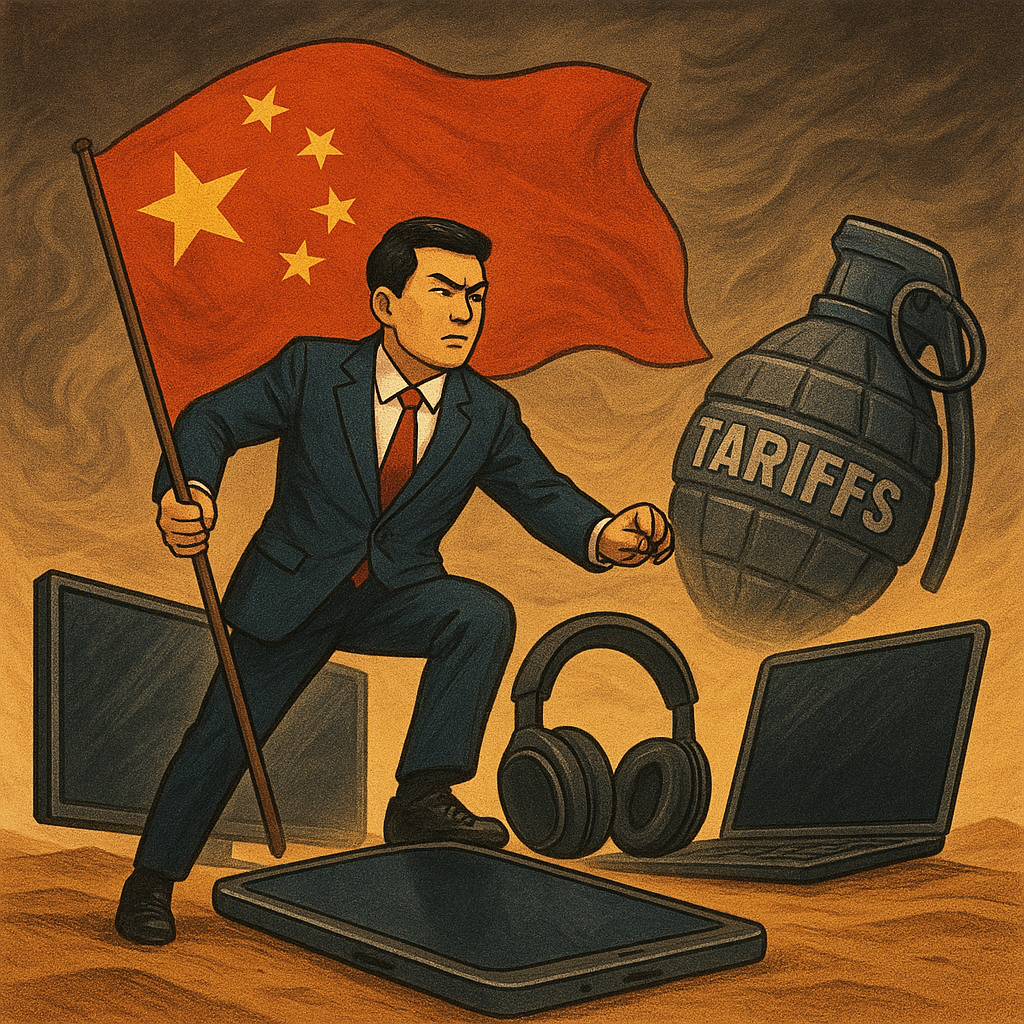
Ep63:China's Cleaning Robots Conquering Consumer Elecs
2025 年 11 月 8 日 · 30 分钟

The podcast touches upon wage increases observed in Japan (around 5% based on "春鬥"), but questions whether these increases are keeping pace with the current rate of inflation. This economic pressure potentially affects service quality, as service workers may feel undervalued.
The impact of overtourism on Japan, especially in popular destinations like Kyoto, is also examined. While tourism is acknowledged as crucial for the current Japanese economy, it creates significant disruptions for local residents.
Labor shortages and immigration are highlighted as critical challenges. Despite a declining native-born population, Japan grapples with openly discussing and implementing large-scale immigration policies due to its culturally conservative nature. The "technical intern training" program is mentioned as a way Japan quietly addresses labor needs. The discussion points out that some Japanese companies are choosing between hiring Burmese laborers and adopting robotics to address labor shortages in sectors like logistics.
The episode also sheds light on the revival of certain Japanese industries, such as semiconductors (linked to TSMC's investment in Kumamoto) and shipbuilding. This resurgence is potentially driven by geopolitical factorsand the restructuring of global supply chains. The establishment of TSMC in Kumamoto is already impacting the local economy, leading to increased wages and the development of supporting businesses.
Warren Buffett's strategic investments in Japanese trading companies (商社) are analyzed. The rationale behind this move is suggested to be low borrowing costs in Japan, investment in upstream resources, and a strategic positioning for a potential era of deglobalization.
The hosts briefly discuss Japan's historically strong industrial policy guided by government bureaucracy and its potential limitations in fostering innovation compared to more liberal approaches seen elsewhere. A trend of declining entrepreneurship among young Japanese, who often prefer stable employment in large corporations like 商社, is also noted.
Ep63:China's Cleaning Robots Conquering Consumer Elecs
2025 年 11 月 8 日 · 30 分钟

Ep62: A Tale of Cold War Legacy and Material Science
2025 年 11 月 1 日 · 35 分钟

Ep61:Donald's America, A Gorbachev-Style Transformation
2025 年 10 月 25 日 · 31 分钟

Ep60:The Fed's Game of Throne, A Losing Anchor Fiat World
2025 年 10 月 18 日 · 1 小时 07 分

Aladdin’s Adventure · 2025 年 5 月 17 日 · 12 分钟
The podcast touches upon wage increases observed in Japan (around 5% based on "春鬥"), but questions whether these increases are keeping pace with the current rate of inflation. This economic pressure potentially affects service quality, as service workers may feel undervalued.
The impact of overtourism on Japan, especially in popular destinations like Kyoto, is also examined. While tourism is acknowledged as crucial for the current Japanese economy, it creates significant disruptions for local residents.
Labor shortages and immigration are highlighted as critical challenges. Despite a declining native-born population, Japan grapples with openly discussing and implementing large-scale immigration policies due to its culturally conservative nature. The "technical intern training" program is mentioned as a way Japan quietly addresses labor needs. The discussion points out that some Japanese companies are choosing between hiring Burmese laborers and adopting robotics to address labor shortages in sectors like logistics.
The episode also sheds light on the revival of certain Japanese industries, such as semiconductors (linked to TSMC's investment in Kumamoto) and shipbuilding. This resurgence is potentially driven by geopolitical factorsand the restructuring of global supply chains. The establishment of TSMC in Kumamoto is already impacting the local economy, leading to increased wages and the development of supporting businesses.
Warren Buffett's strategic investments in Japanese trading companies (商社) are analyzed. The rationale behind this move is suggested to be low borrowing costs in Japan, investment in upstream resources, and a strategic positioning for a potential era of deglobalization.
The hosts briefly discuss Japan's historically strong industrial policy guided by government bureaucracy and its potential limitations in fostering innovation compared to more liberal approaches seen elsewhere. A trend of declining entrepreneurship among young Japanese, who often prefer stable employment in large corporations like 商社, is also noted.

以跨学科框架做宏观深度分析的播客,从制度与概念辨析切入,下沉到技术与产业案例,面向中文听众解读全球政经与科技变局
已收录 63 期 · 最近更新 2025 年 11 月 8 日
https://feed.xyzfm.space/hab7ygpa4ll3复制内容版权归创作者,声湃按创作者开放的 RSS 收录。了解收录与 RSS →
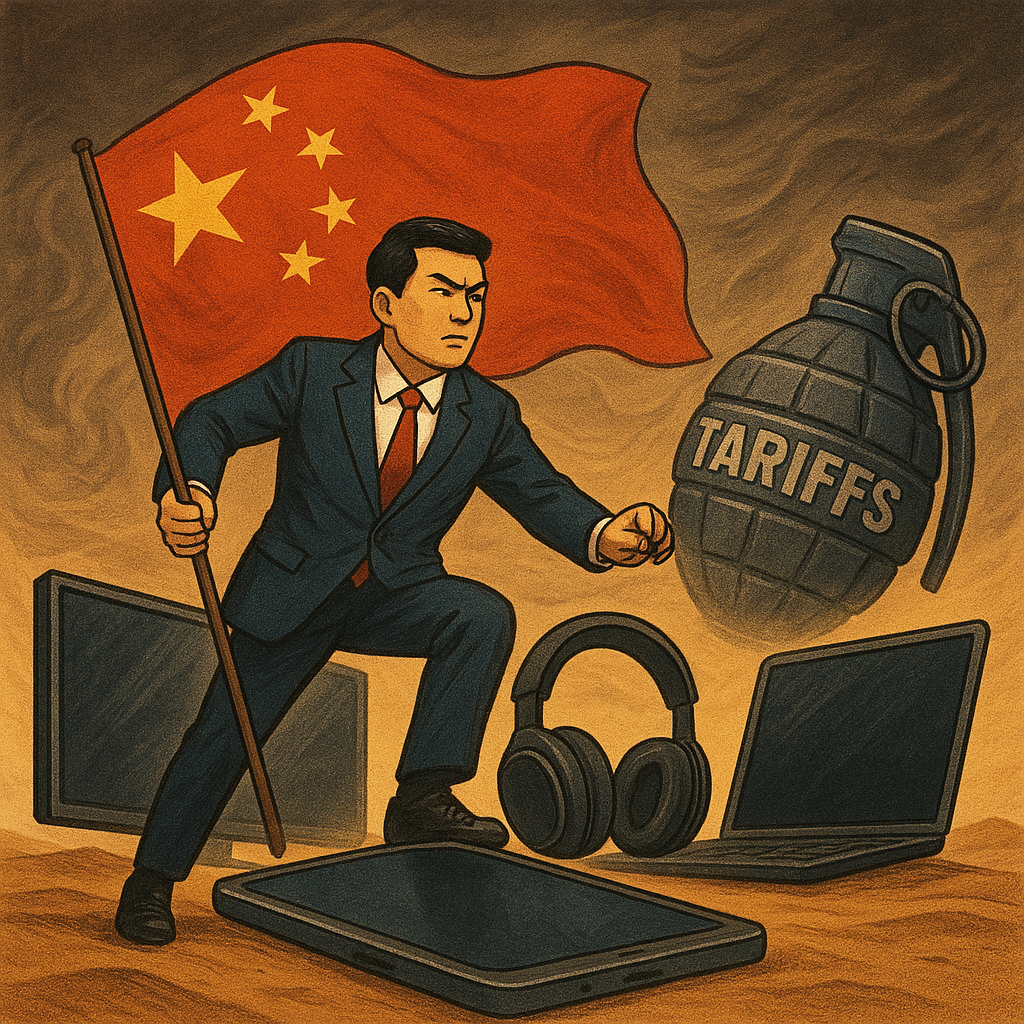
Ep63:China's Cleaning Robots Conquering Consumer Elecs
2025 年 11 月 8 日 · 30 分钟

Ep62: A Tale of Cold War Legacy and Material Science
2025 年 11 月 1 日 · 35 分钟

Ep61:Donald's America, A Gorbachev-Style Transformation
2025 年 10 月 25 日 · 31 分钟